Finding mold in your home can be unsettling, especially when you are not sure what comes next. Many homeowners know they need professional help, but have no idea what the process looks like from start to finish. Understanding what the mold remediation process involves can help you feel more prepared and know what to expect when a crew arrives.
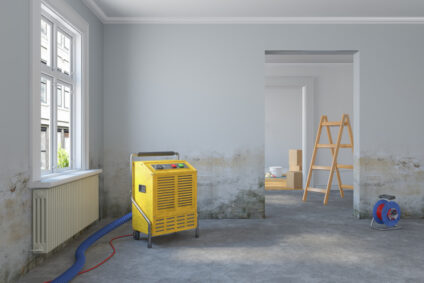
What Is Mold Remediation?
Mold remediation is the process of identifying, containing, removing, and cleaning
mold growth in a home. It differs from simple mold cleaning in that it addresses the underlying moisture problem and prevents regrowth, rather than just removing what is visible on the surface.
The goal is to bring mold levels back to normal, naturally occurring levels. Some mold spores are always present in the air, but when they have a water source and a place to grow, they can spread quickly and cause damage to building materials.
Step 1: Assessment
The process starts with a thorough assessment of the affected area. A trained professional will identify where mold is present, how far it has spread, and what may have caused it. This often includes checking for moisture in walls, ceilings, floors, and HVAC systems.
In homes around Winchester, crawl spaces are among the most common places where mold can develop without a homeowner knowing. The combination of ground moisture,
limited airflow, and organic materials creates the right conditions. An assessment will look at these less obvious areas, as well as any visible growth.
Step 2: Containment
Before
removal begins, the affected area is isolated to keep mold spores from spreading to unaffected parts of the home. This typically involves sealing off doorways and vents with plastic sheeting and creating negative air pressure so that airborne spores are pulled toward filtration equipment rather than into other rooms.
This step matters a great deal. Disturbing mold without proper containment can cause spores to become airborne and settle in new locations, potentially worsening the problem.
Step 3: Air Filtration
HEPA air scrubbers and filtration units are used to capture airborne mold spores during mold remediation. These machines run continuously throughout the job to improve air quality and reduce the chance of cross-contamination.
Air filtration is especially important in older homes where HVAC systems may have circulated spores through ductwork over time.
Step 4: Removing Mold-Affected Materials
Any porous materials that cannot be fully cleaned — such as drywall,
insulation, carpet, and soft furnishings — are removed and bagged for disposal. Hard surfaces such as framing lumber, concrete, and tile can often be cleaned and treated in place with antimicrobial solutions.
The goal is to remove everything that cannot be restored to a clean, safe condition. This may mean opening walls or floors in some areas, but only to the extent necessary to address the actual growth.
Step 5: Cleaning and Treating Surfaces
After removal, the remaining surfaces in the containment area are cleaned, treated with antifungal and antimicrobial solutions, and dried thoroughly. This step addresses any residual spores and helps inhibit regrowth on structural materials.
Drying is a critical part of this phase. Mold cannot survive without moisture, so ensuring the area is fully dry before reconstruction begins is essential.
Step 6: Restoration
Once the mold remediation is complete, the damaged areas need to be restored. This includes replacing drywall, insulation, flooring, and any other materials that were removed. Some
companies handle both mold remediation and restoration, streamlining the process for homeowners.
It is also at this stage that the underlying moisture problem should be addressed. Whether that means repairing a roof leak, fixing a plumbing issue, or improving crawl space ventilation, preventing the source of moisture is the only way to keep mold from returning.
How Long Does Mold Remediation Take?
The timeline depends on the size of the affected area and the extent of the growth. A contained, localized problem in one room might be addressed in a day or two. A more widespread issue across multiple areas of a home can take several days.
Weather in Winchester can contribute to mold issues during certain times of year — particularly after wet winters, prolonged spring rain, or events that bring excess moisture into a home. The sooner mold remediation begins after discovery, the less time it takes to complete.
Mold Remediation in Winchester, VA
If you have found mold in your home and are not sure what to do next, getting a professional assessment is the right first step. Gear Clean provides mold remediation in Winchester and the surrounding area. Our team will walk you through the process, answer your questions, and get the work done properly so you can get back to normal.
Contact us today to schedule an assessment.